Here is a number that stopped me.
In a 2020 survey by the Office for National Statistics, around 7 in 10 of the people who felt lonely “often or always” still agreed they had people who would be there for them, compared with 9 in 10 for the average adult.
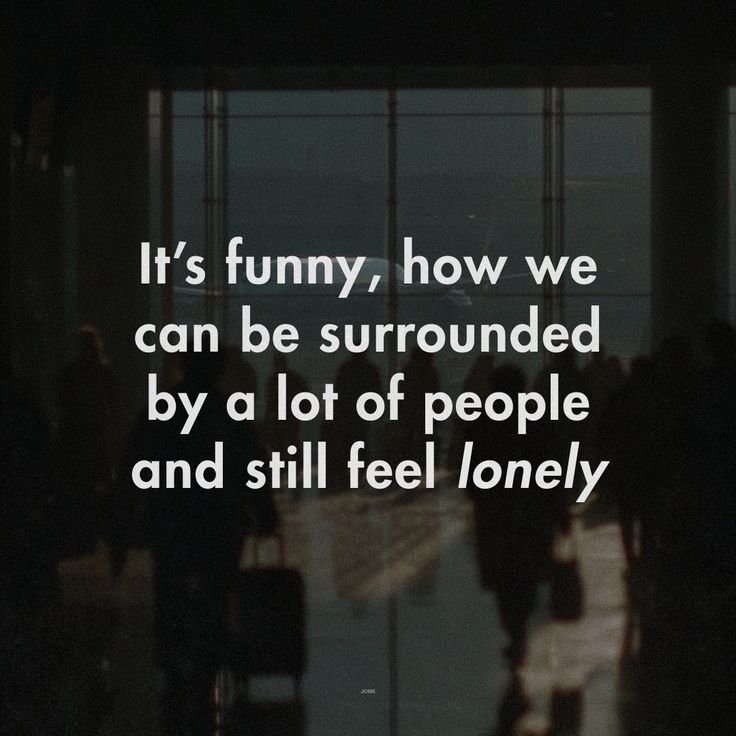
Read that again. Most lonely people are not short of people. They have them. They just don’t feel held by them.
What the longest study of a human life found
In 1938, researchers at Harvard began following two groups of young men in Boston. One group was 268 Harvard undergraduates, and the other was 456 young men from some of the city’s poorest neighbourhoods. They kept going for decades. It became one of the longest studies of adult life ever done.
They were looking for the secret to a good life. Wealth, fame and achievement were all on the list.
The man who now runs the study, Robert Waldinger, puts the finding simply. “Good relationships keep us happier and healthier.” The detail is striking. The men who were most satisfied in their relationships at fifty were the healthiest at eighty.
Look at the word he chose. Not the most relationships. Good ones.
In January 2018, the United Kingdom became the first country to create a ministerial post dedicated to loneliness under then prime minister Theresa May. Japan followed. In February 2021, Prime Minister Yoshihide Suga appointed Tetsushi Sakamoto to oversee policy on loneliness and isolation.
Think about how strange that is. Two of the richest countries on earth, with some of the most connected populations in history, felt the need to appoint a minister whose job is to make sure people are not alone.
When the two ministers met online in 2021, they agreed on one thing worth underlining. Loneliness can happen to anyone, and the stigma around it has to be overcome.
That stigma is the real trap. We think being lonely means something is wrong with us. So we hide it. And hiding it is exactly what keeps it going.
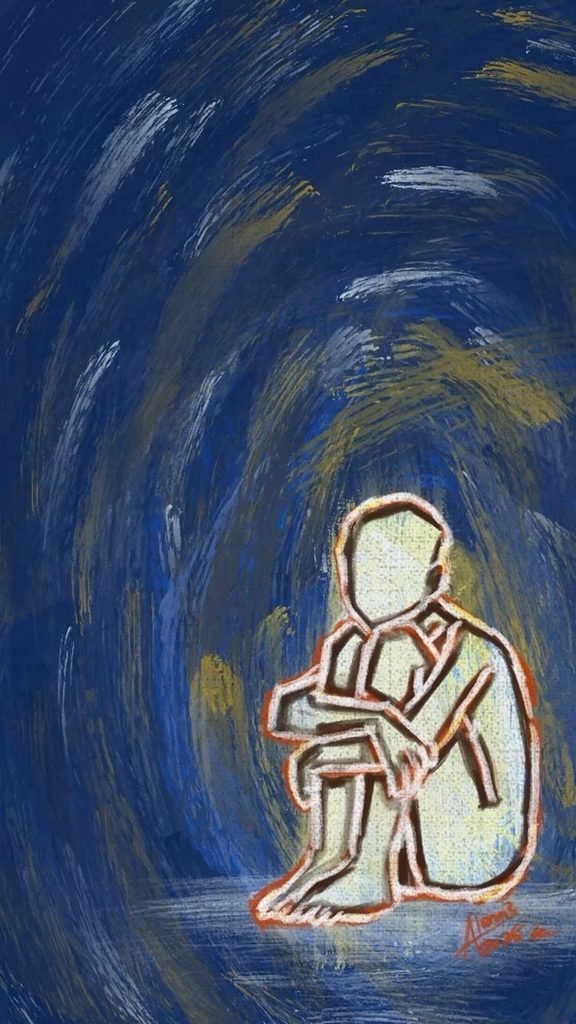
I wish I could say I am above this. I am not.
There was a week last spring when I nearly gave up on my master’s. Too many deadlines. Too little sleep. A grade came back lower than I had told myself it would be. And I had a quiet, ugly thought that I had made a mistake.
That night I sat on the edge of my bed and went through my phone. School friends. Course mates. Cousins. The church group. Forty-odd names.
I put the phone down.
It was not that nobody would pick up. It was that I could not think who should hear the real thing. And I will tell you why. For years, I had only handed people the good version of me. The jokes. The memes. The “all good, bro.” I had trained everyone around me to expect that. I had trained myself to expect it too.
So when I needed to be the other kind of person, nobody was practised at hearing it. Not because they were unkind. Because I never gave them the chance. That one is on me.
In the end I rang my cousin Chidi at midnight. I said, “I don’t know why I’m calling.” There was a pause.
Then he said, “What took you so long?”
Food for thought
Across much of southern Africa, there is a word for what Waldinger’s data describes. Ubuntu. It is usually put into English as “I am because we are.” A person becomes a person through other people.
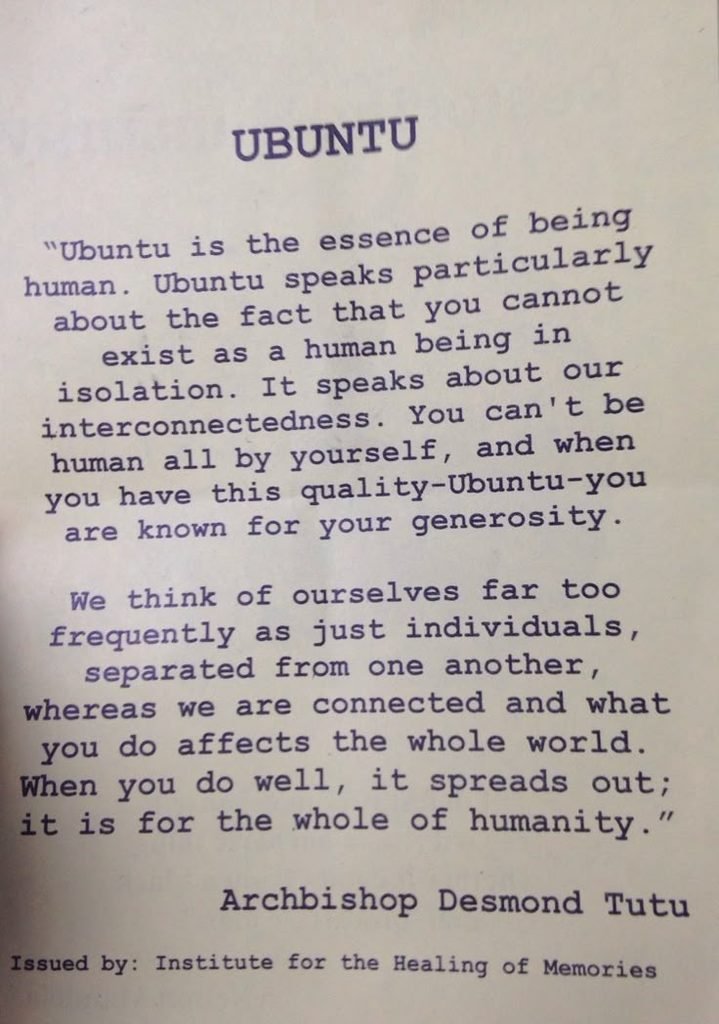
I used to read that as a nice thought for a poster. Now I read it as a plain description. If who you are depends on other people, then being known by a few of them is not a luxury. It is part of how you stay yourself.
My mother has a saying too. You do not dig a well on the day you are thirsty.
I used to hear that as a line about saving money. Now I hear it about people. The ones who hold you up on your worst night are almost always the ones you let in on an ordinary Tuesday. Not with a meme. With a real answer to a simple question.
A crowd can know your name, your job and your favourite drink, and still never know you. That takes something smaller and slower. One honest sentence, said to one person, before you need them.
Most of us are waiting until we are thirsty.