Mr. Adeyemi had a drawer he never let me tidy.
I was a few weeks into supporting him. I came in each morning to help him wash, make his tea and check his tablets. He was eighty-seven, sharp as a pin, and very particular. The kettle had to be filled exactly to the line. The curtains opened halfway, never fully.
One morning I moved a pile of papers in the kitchen and he said, quite gently, “Not that drawer, David.”
I thought it was money. Or something private. Months later, near the end, he asked me to open it. Inside were letters. Forty years of letters from his brother in Lagos, whom he had not spoken to in eleven years because of an argument over a plot of land.
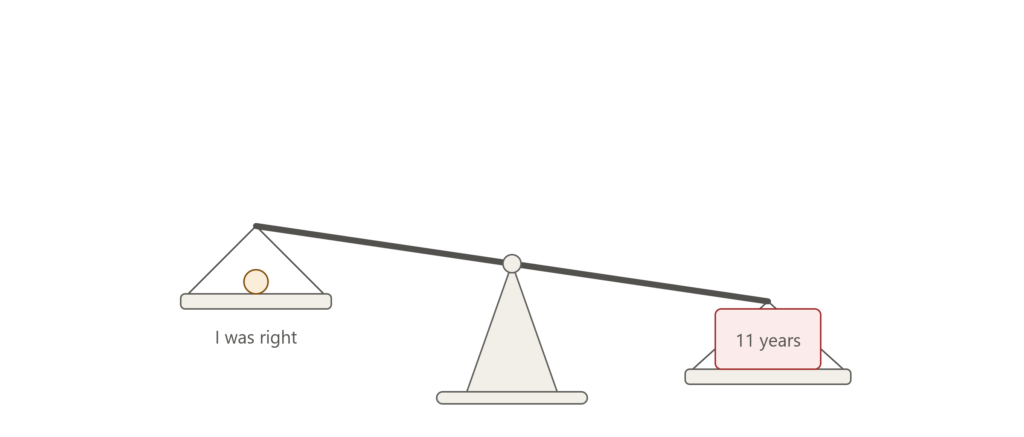
“I was right about the land,” he told me. “I’d like you to know that. I was right.”
Then he was quiet for a long time.
“It doesn’t matter now, does it?”
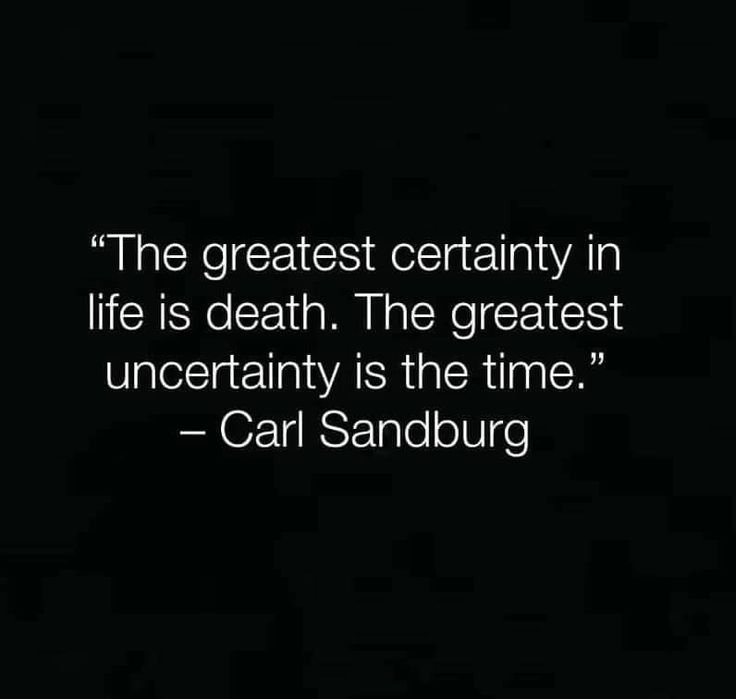
I did not know what to say, so I said nothing and held the letter he gave me. He died three weeks later. His brother did not make it in time. Just as Carl Sandburg said, “the greatest certainty in life is death, the greatest uncertainty is the time”
The question
I have thought about that morning more than almost anything else I have seen.
Not because it was unusual. Because it was so ordinary. A man who was right, and who gave up eleven years of his brother for it.
So I started asking. Gently, in the quiet bits of the day, over tea and while waiting on a district nurse. What would matter most to you, if you knew your time was short?
What I heard
I want to be careful here. I am not a counsellor, and I am not claiming to know what everyone thinks. I can only tell you what the people in front of me said.
Almost nobody mentioned their job. Not once.
A retired bus driver said he wished he had gone to more of his daughter’s school plays. “I was always doing a double shift. I thought that was love. It was money. Love would have been sitting in that hall.”
A woman who had been a headteacher said she wished she had worried less. “All those nights awake. And nearly none of it happened.”
A man in his seventies, who lived alone, said it simply. “I’d like someone to ring on a Tuesday.”
Their answers were small. Nobody wanted to go back and be richer or more famous. They wanted to fix a quarrel, say a sentence, or be somewhere they weren’t.
Why we know this and still do not live it
Here is the part that bothers me. We already know all this. You know it. I know it. When someone dies, we go quiet and kind for about a week. We ring our mum. We say we will visit more.
Then Monday comes. There are emails, bills, a train that is late. The urgent shoves the important aside, again and again, until the days become years.
I include myself. I work long shifts and study late into the night for a master’s degree. Some evenings I have been so tired I let my phone ring out when family called, and told myself I would ring back “when things settle down.”
Things do not settle down. That is the secret nobody tells you. There is never a calm patch where life finally lets you start. Mr. Adeyemi waited for the right moment to ring his brother for eleven years.
The same answer at every age
I used to think this was an old person’s subject. It is not.
My friend who is twenty-three told me, over a bad coffee, that she would want to have been braver about the person she loved. My uncle, who is fifty-eight, said he would want his children to know he was proud of them, because he had never said it out loud.
Different ages, the same list. The only difference is how much time each of us thinks we have. The young assume plenty. The old no longer do. But nobody knows, and that is the point.
One thing to do this week
I will not give you ten steps. Only one.
Think of the person you have been meaning to contact. The one with the unfinished argument, the unanswered message, the unsaid thank-you.
Contact them this week. Not when things calm down.
You might be right about the land. It almost certainly will not matter.